Introduction
Wound treatment is an essential facet of nursing that calls for specialized understanding and skills. As medical care continues to advance, the need for competent injury care specialists has risen. This post will certainly discover the important parts of nursing wound care training programs, analyzing what makes an efficient curriculum and just how it prepares nurses for real-world obstacles in wound monitoring. Whether you're seeking to become a wound treatment registered nurse or just improve your existing skills, recognizing these elements is vital for delivering high-grade patient care.
Essential Elements of Nursing Wound Care Training Programs

Nursing wound care training programs are developed to furnish registered nurses with the essential abilities and understanding required to successfully take care of injuries. These programs differ in their web content, yet they all share some fundamental parts that guarantee registered nurses can offer detailed injury treatment.
The Relevance of Wound Care Training for Nurses
Why is Wound Care Essential?
Wound treatment is not practically cleaning a cut; it's a complex discipline that entails understanding the body's healing procedures, infection control, and patient education and learning. Correct training allows nurses to assess wounds accurately and create suitable therapy plans.

What are Wound Care Specialist Training Programs?
Wound care specialist training programs are specialized courses designed for health care professionals that wish to deepen their understanding of chronic and complicated wound administration. These programs typically cover sophisticated strategies and techniques tailored specifically for those who aim to end up being qualified injury treatment specialists.
Key Understanding Goals in Wound Care Training Courses
Understanding Anatomy and Physiology Related to Wounds
A strong structure in makeup and physiology forms the backbone of any effective wound care training program. Registered nurses must comprehend skin layers, types of tissue involved in healing, and how various factors influence injury healing.
Assessment Strategies for Effective Wound Management
Assessment is essential in wound monitoring. Training needs to include different assessment techniques that consist of visual evaluation, palpation, and person background gathering.
Basic Wound Care Training: A Fundamental Beginning Point
What Does Fundamental Wound Treatment Involve?
Basic wound care entails cleaning the wound, using dressings, handling discomfort, and educating clients on home care techniques. This foundational understanding is important prior to advancing to a lot more intricate concepts.
Common Techniques Instructed in Standard Injury Care Training
- Cleaning: Making use of saline remedies or disinfectant agents. Dressing: Selecting proper dressings based upon the sort of wound. Monitoring: Frequently checking for indicators of infection or complications.
Advanced Concepts in Complex Wound Care Management
Differentiating In between Severe and Persistent Wounds
Understanding the distinctions in between acute and chronic wounds plays an important duty in establishing treatment techniques. Acute injuries heal rapidly while chronic wounds require continuous monitoring strategies.
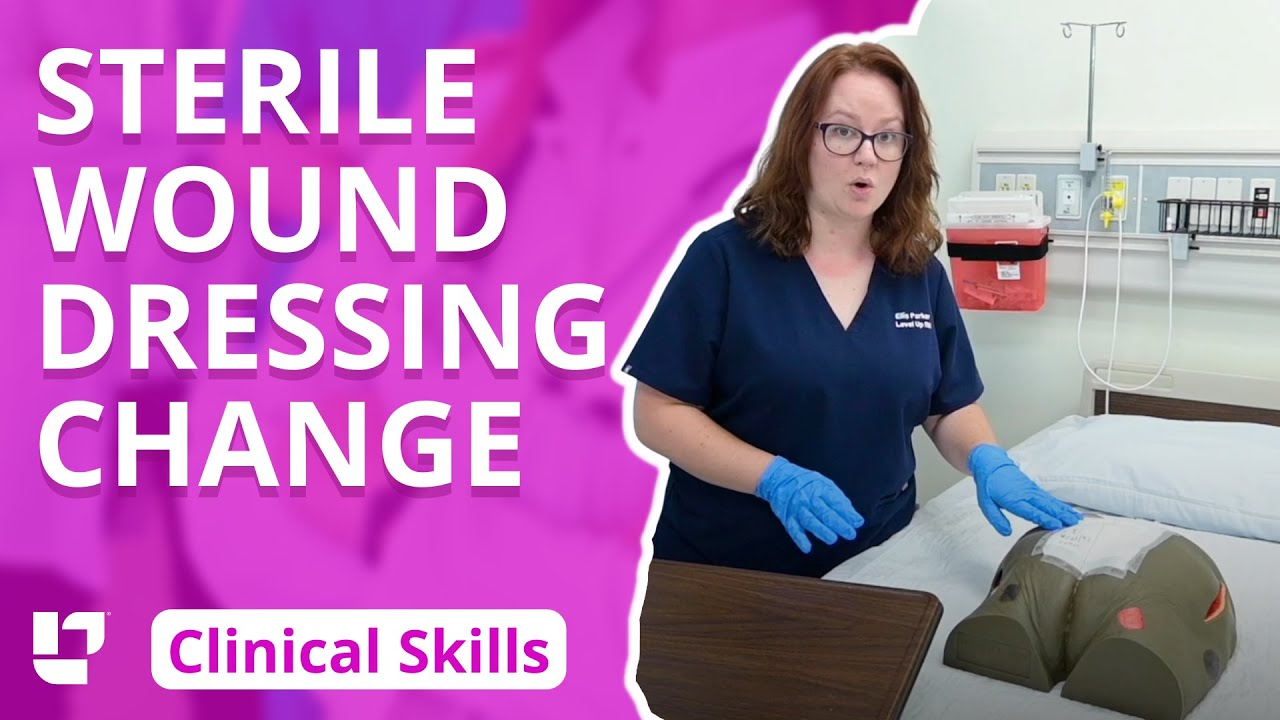
Treatment Modalities for Persistent Wounds
Chronic wounds might require innovative therapies such as unfavorable pressure treatment, bioengineered skin alternatives, or hyperbaric oxygen therapy. Comprehensive training need to consist of these modalities for reliable management.
Integrating Evidence-Based Technique in Wound Treatment Management
What is Evidence-Based Practice?
Evidence-based practice (EBP) describes making medical decisions based upon the very best available study evidence integrated with medical know-how and individual preferences.
How EBP Boosts Individual Outcomes
Implementing EBP results in improved client end results by making certain that interventions are based in clinical research study instead of out-of-date techniques or anecdotal experiences.
NDIS Wound Treatment: A Specialized Approach
Overview of NDIS (National Handicap Insurance Scheme)
The NDIS supports individuals with handicaps, consisting of those requiring specialized injury treatment solutions. Registered nurses must be familiar with this framework when giving treatment under its auspices.
Tailoring Wound Take care of NDIS Participants
Training needs to incorporate strategies for tailoring injury monitoring prepares specific to NDIS individuals' demands, considering their one-of-a-kind conditions and challenges.
Patient Education and learning: Empowering Individuals With Knowledge
Why Patient Education Matters?
Educating clients concerning their injuries equips them to take an active function in their recovery procedure. It likewise minimizes anxiety pertaining to therapy procedures.
Key Subjects Covered in Individual Education
- Wound Hygiene: Importance of maintaining wounds clean. Signs of Infection: Informing clients about signs and symptoms that call for clinical attention. Lifestyle Factors: Reviewing nutrition and way of living changes that promote healing.
Interdisciplinary Cooperation in Injury Care Management
Benefits of Synergy Among Medical Care Professionals
Collaboration amongst numerous healthcare experts-- medical professionals, physiotherapists, dietitians-- boosts detailed individual treatment by integrating varied knowledge right into therapy plans.
How Interdisciplinary Approaches Are Taught
Training programs often consist of modules on interaction methods and teamwork concepts important for efficient interdisciplinary collaboration.
Innovations in Innovation Within Nursing Wound Care Training Programs
The Duty of Modern technology in Modern Healthcare
Technological advancements have actually changed several aspects of medical care, consisting of wound assessment tools like digital imaging systems that promote exact evaluations.
Incorporating Innovation into Training Curricula
Training programs should familiarize nurses with existing innovations used in injury analysis and management so they can use these devices efficiently upon certification.
Certification Choices Available Following Conclusion of Nursing Wound Care Training Programs
Importance of Certification
Certification as a wound treatment professional develops credibility amongst peers and clients alike while providing chances for job innovation within this specialized field.
FAQs Regarding Nursing Wound Care Training Programs
What are the requirements for signing up in nursing injury treatment training?- Most programs call for prospects to have an active nursing permit together with some scientific experience.
- Duration differs by program however typically varies from several weeks to a few months depending upon whether it's standard or sophisticated training.
- Yes, recurring education is usually required to preserve certification condition as new methods emerge regularly.
- Absolutely! Numerous organizations use on the internet components enabling flexibility while getting necessary skills.
- Assessments may entail functional presentations, created examinations covering concept expertise, in addition to situation studies.
- Yes! Different scholarships and grants may be available via universities or specialist companies focused on nursing education.
Conclusion
In final thought, understanding the important parts of nursing wound care training programs is important not just for striving nurses but additionally those already exercising who wish to improve their abilities even more. With correct education rooted in evidence-based practice along with technological improvements, registered nurses can substantially affect individual results via effective chronic wound monitoring strategies. By mastering both essential concepts like basic health practices along with sophisticated techniques related to intricate instances-- registered nurses will definitely elevate standards within healthcare atmospheres while promoting much better recuperation trips for their patients.